
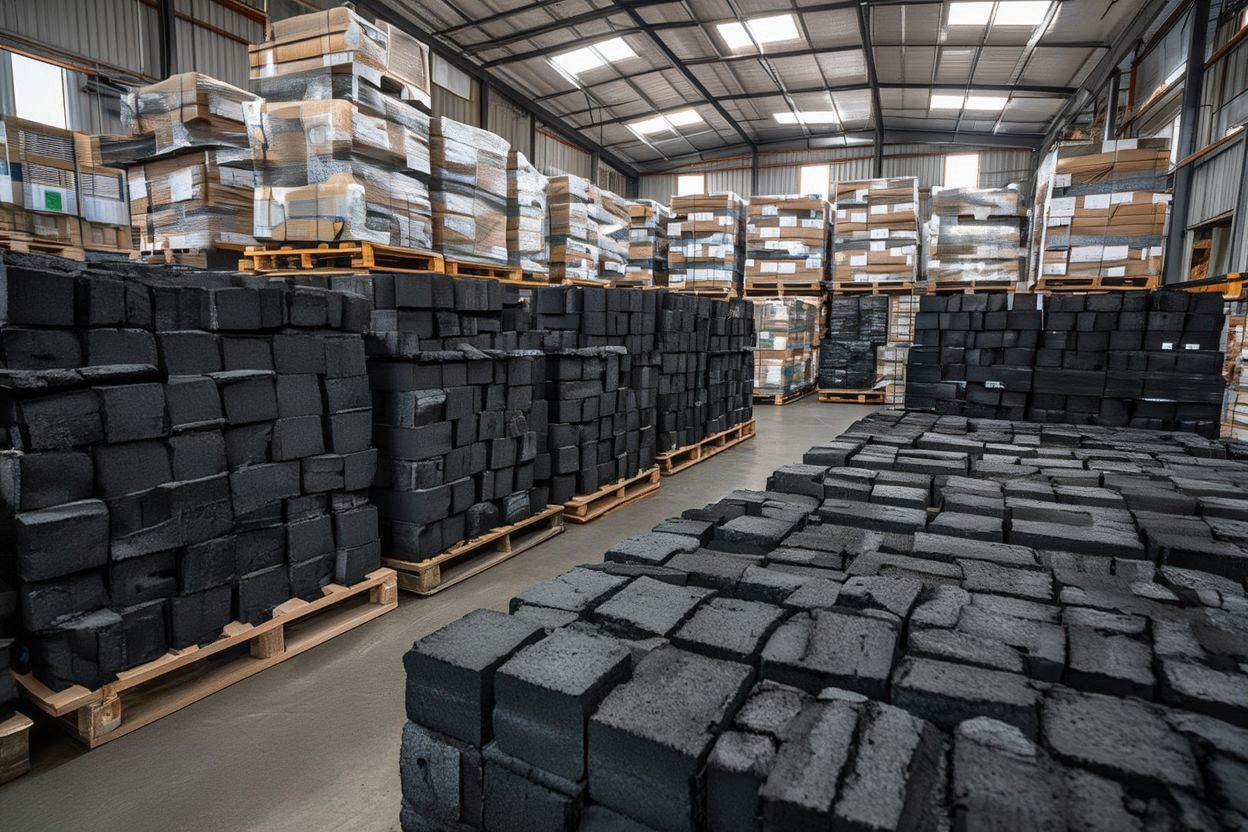
Exporting coconut briquettes requires strict attention to safety standards, especially during storage and transportation. Since coconut briquettes are classified as combustible materials, improper handling can lead to serious risks such as fire hazards or product damage. Therefore, understanding coconut briquette export safety standards is essential for ensuring safe shipping and compliance with international regulations. By following proper safety guidelines, exporters can protect their products, reduce risks, and maintain trust with global buyers. For a broader overview, you can explore this guide on coconut briquette export requirements before managing export safety procedures.
1. Understanding Safety Risks in Coconut Briquette Export
Coconut briquettes have properties that make them sensitive to heat and moisture. In general, these products can become unstable if exposed to unfavorable conditions during storage or transportation. Therefore, exporters must identify potential risks early in the process.
Common Safety Hazards
Some of the most common hazards include overheating, moisture exposure, and improper stacking. These issues can affect product quality and increase the risk of damage during shipping.
2. Proper Storage Conditions Before Shipping
Maintaining proper storage conditions is essential to ensure product stability. Coconut briquettes should be stored in a dry and well-ventilated area to prevent moisture buildup. In addition, storage areas must be kept away from direct sunlight and heat sources.
Importance of Temperature Control
Controlling temperature helps prevent overheating, which can lead to safety issues. Therefore, exporters should regularly monitor storage conditions to ensure product safety before shipment.
3. Safe Packaging Practices
Packaging plays a major role in maintaining safety during export. Exporters should use strong and durable materials to protect the briquettes from external impact. In addition, inner plastic layers can help prevent moisture exposure.
Using high-quality coconut shell charcoal briquette materials combined with secure packaging ensures that products remain stable throughout the shipping process.
4. Handling and Loading Procedures
Proper handling during loading and unloading is critical to avoid product damage. Workers should follow standard operating procedures to ensure safe movement of goods.
Safe Container Loading
Briquettes should be arranged neatly inside containers to prevent shifting during transit. Moreover, proper weight distribution helps avoid pressure damage and maintains packaging integrity.
5. Compliance with International Safety Regulations
Exporters must comply with international safety standards for transporting combustible materials. For example, certain shipping lines require specific labeling and handling procedures. In addition, exporters may need to provide safety documentation to meet regulatory requirements.
Compliance with these standards helps prevent delays and ensures smooth shipping operations.
6. Use of Safety Equipment and Monitoring
To enhance safety, exporters should use appropriate equipment such as fire extinguishers and temperature monitoring devices. In addition, regular inspections should be conducted to identify potential risks before shipment.
By implementing proper monitoring systems, exporters can detect issues early and take corrective action.
7. Risk Management and Prevention Strategies
Effective risk management is essential in export operations. Exporters should develop strategies to prevent potential hazards, including proper training for staff and clear safety procedures.
Emergency Preparedness
Having an emergency plan in place helps exporters respond quickly to unexpected situations. This includes fire response procedures and communication systems during incidents.
Conclusion
In conclusion, understanding coconut briquette export safety standards is essential for ensuring safe and reliable international shipping. From storage and packaging to handling and compliance, each aspect plays a crucial role in minimizing risks. Ultimately, by applying proper safety practices, exporters can protect their products, maintain quality, and build strong relationships with global buyers.
