
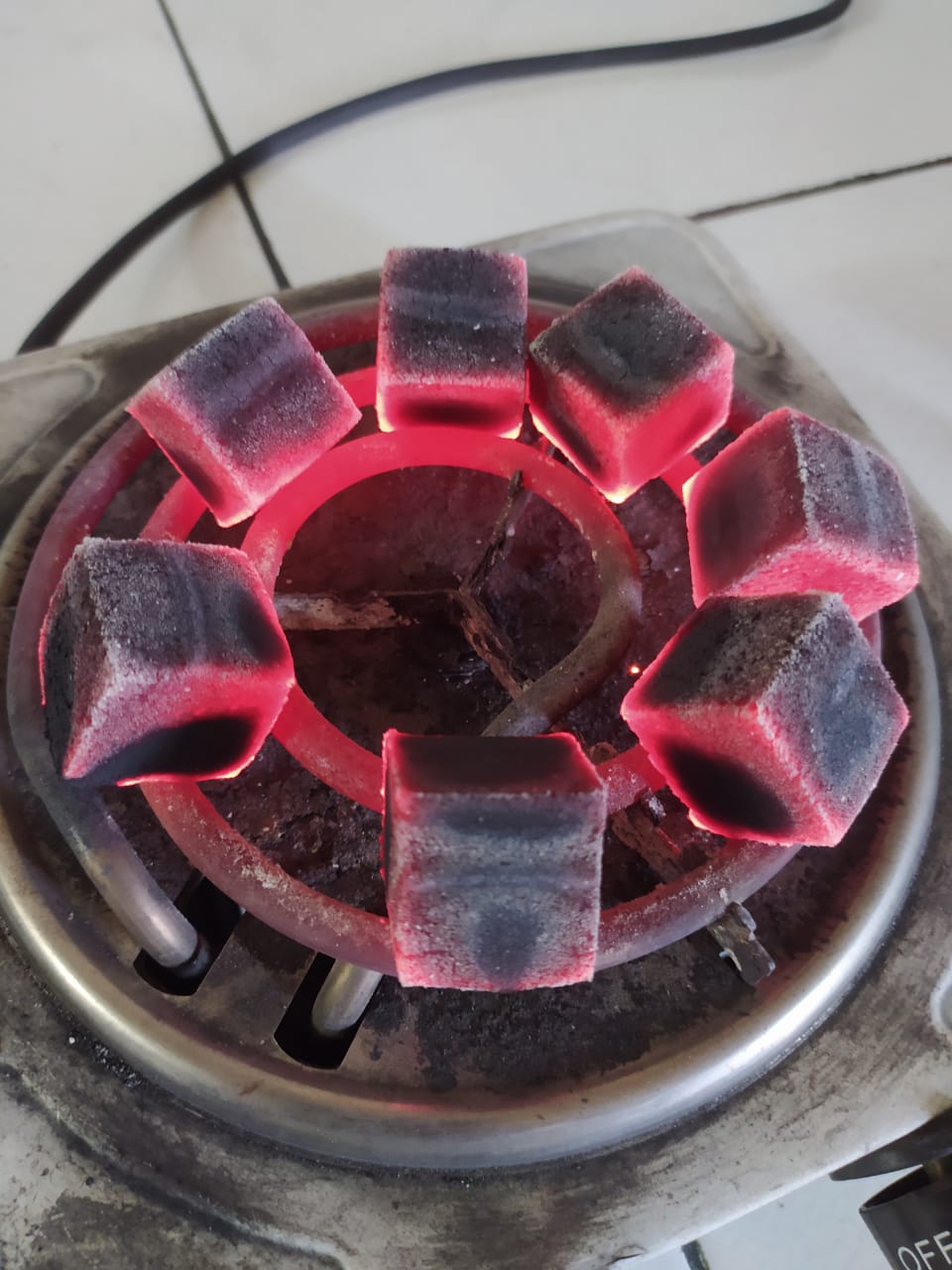
The global hookah industry continues expanding across hospitality, retail, and international distribution markets worldwide. Charcoal quality remains a decisive factor influencing flavor consistency and customer satisfaction levels.
Importers increasingly prefer coco shisha charcoal due to its natural coconut shell composition. Coconut based briquettes offer cleaner combustion compared to traditional wood alternatives. Professional distributors evaluate durability, density, and heat stability before confirming bulk orders. Reliable supply chains also contribute to long term partnerships in competitive export environments. Understanding production standards helps buyers select products aligned with premium market expectations.
Why Coco Shisha Charcoal Is Preferred Globally
Global buyers prioritize consistent performance to maintain high service standards. Stable heat output supports balanced tobacco flavor during extended smoking sessions. Low ash production enhances cleanliness in lounges and hospitality venues. Clean burning performance maintains the original fragrance and taste profile of high quality molasses mixtures. Uniform cube dimensions allow predictable placement within various bowl configurations. High density composition reduces spark formation and improves overall safety. These characteristics position coconut briquettes among premium hookah fuel categories worldwide.
Production Process Behind High Quality Coco Shisha Charcoal
Manufacturing begins with carefully selected mature coconut shell materials. Controlled carbonization converts raw shells into high carbon charcoal structures. Precise temperature management ensures optimal hardness and internal density levels. Moisture control procedures prevent cracking and unstable ignition performance. High pressure compression technology shapes briquettes into compact uniform cubes. Automated cutting machines maintain consistent sizing for export packaging standards. Final inspections verify ash percentage, burning duration, and structural integrity.
Key Export Features of Coco Shisha Charcoal
International markets require measurable specifications and consistent shipment quality. Buyers analyze burning time, ash residue, and heat distribution characteristics. Clear technical documentation increases confidence among wholesale partners globally.
Long Burning Duration for Commercial Efficiency
Extended burning time reduces replacement frequency during peak operational hours. Lounge operators benefit from improved workflow and uninterrupted customer sessions. Distributors appreciate lower operational costs across high volume environments.
Low Ash Content for Cleaner Operations
Minimal residue simplifies cleaning procedures after each completed session. Retail customers associate clean performance with higher product classification. Reduced ash output also supports environmentally responsible branding strategies.
Consistent Heat Output for Flavor Stability
Stable temperature release prevents overheating and harsh smoke production. Balanced heat ensures smooth density and steady flavor development. Predictable performance enables standardized service quality across multiple lounge locations.
How to Choose a Reliable Coco Shisha Charcoal Supplier
Importers should evaluate production capacity and monthly export consistency. Documented export experience reduces logistical risks and compliance complications. Transparent communication reflects professionalism and partnership commitment. Quality control systems demonstrate readiness to meet best shisha charcoal standards.
Private label flexibility allows distributors to strengthen regional brand positioning. Competitive pricing should never compromise structural density and durability.
Market Demand for Coco Shisha Charcoal in International Trade
Hookah culture continues growing rapidly across Europe and the Middle East. North American distributors increasingly seek sustainable coconut based fuel alternatives. Eco friendly sourcing aligns with modern retail and hospitality expectations. Bulk container shipments remain common for established international wholesalers. Long term contracts depend on consistent quality and dependable delivery schedules.

Penulis