
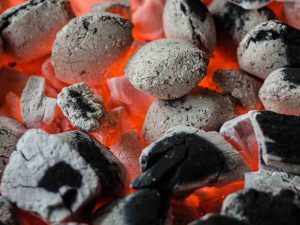
In recent years, the demand for eco-friendly and sustainable products has significantly increased, and coconut charcoal has emerged as one of the leading alternatives for traditional charcoal. Both coconut shell charcoal briquettes and looseare widely used in industries like food grilling, metallurgy, and energy production. But when it comes to quality, efficiency, and environmental impact, which one is better?
What is Coconut Shell Charcoal?
Coconut shell charcoal is made from the shells of coconuts through a process known as pyrolysis, where the shells are heated at high temperatures in the absence of oxygen. This process produces a highly carbonized substance that is used for various applications. The key benefit of coconut shell is that it is a natural, sustainable product. It burns longer and hotter compared to regular wood charcoal, making it a preferred choice for grilling and industrial uses.
What Are Coconut Shell Charcoal Briquettes?
Coconut shell charcoal briquettes are a compressed form of coconut shell charcoal. These briquettes are produced by grinding the charcoal into fine powder, mixing it with a binder (such as starch or guar gum), and then pressing the mixture into molds. The result is a uniform, easy-to-use product that is ideal for both domestic and commercial purposes. Briquettes offer a range of benefits such as reduced smoke, minimal ash, and consistent burning.
Quality Comparison: Coconut Shell Charcoal Briquettes vs Coconut Shell Charcoal
1. Burning Efficiency
One of the key aspects that sets c charcoal briquettes apart from traditional coconut shell charcoal is their burning efficiency. briquetteis known for its high calorific value, meaning it generates more heat than other types of charcoal. However, offer a more consistent burn due to their uniform size and shape. Briquettes tend to produce a steady, controlled flame, making them more reliable for grilling or cooking. On the other hand, loose charcoal briquette may burn hotter initially but can burn unevenly, especially if the pieces vary in size.
2. Environmental Impact
Both coconut shell charcoal and charcoal briquettes are considered environmentally friendly compared to traditional charcoal made from wood. The process of making both products uses agricultural waste, which means fewer trees are cut down. However, charcoal briquettes typically have an edge when it comes to minimizing waste. Briquettes are often produced with binders that help hold the charcoal together, reducing dust and other pollutants that could be released into the air during use. Additionally, some brands of briquettes are produced using sustainable methods and offer a cleaner, more eco-friendly alternative to loose charcoal.
3. Ease of Use
When it comes to ease of use, coconut shell charcoal briquettes clearly take the lead. The uniform shape and size of the briquettes make them easier to handle, store, and light. They are often designed to ignite quickly, allowing users to start their grilling or cooking process with minimal effort. Loose coconut shell charcoal, while offering great heat, can be difficult to light, and its uneven size makes it less predictable in terms of burn time and temperature.
4. Cost-Effectiveness
While charcoal briquettes offer greater convenience, they can be more expensive than traditional coconut shell charcoal. The process of compressing charcoal into briquettes requires additional equipment and labor, which drives up the cost. However, because briquettes tend to burn longer and produce less ash, they may offer better value for money in the long run. You may use fewer briquettes to achieve the same level of heat, especially for longer grilling sessions.
5. Versatility
Both types of charcoal have their unique advantages when it comes to versatility. charcoal briquette is often preferred for industrial uses like metal production or energy generation due to its high heat output. On the other hand, charcoal briquettes are more commonly used for domestic purposes, particularly grilling and barbecuing. Their uniform size makes them ideal for creating a consistent cooking temperature, making them a popular choice for outdoor enthusiasts and chefs.
Conclusion: Which One Should You Choose?
In conclusion, both coconut shell charcoal briquettes and coconut shell charcoal offer excellent benefits, but the choice between the two depends on your needs and priorities. If you value consistency, ease of use, and a cleaner burn, charcoal briquettes are the better option. They are perfect for those looking for a more reliable, eco-friendly product for grilling or barbecuing.
However, if you’re in need of a higher heat output for industrial purposes or you prefer a more traditional form of charcoal, might be the ideal choice. It burns hotter and is more suitable for heavy-duty applications.
Both options are eco-friendly, sustainable, and contribute to reducing environmental impact, so you can’t go wrong either way. Ultimately, it’s about finding the right type of charcoal for your specific needs.
Final Thoughts
Choosing between coconut shell charcoal briquettes and coconut shell charcoal comes down to how you intend to use them. Whether you’re grilling for a family barbecue or engaging in industrial applications, both products offer unique advantages that make them valuable to consumers seeking cleaner, greener alternatives to traditional charcoal.
